Category Archives: Research

A brain plasticity mechanism allows the reorganization of the sense of touch during development
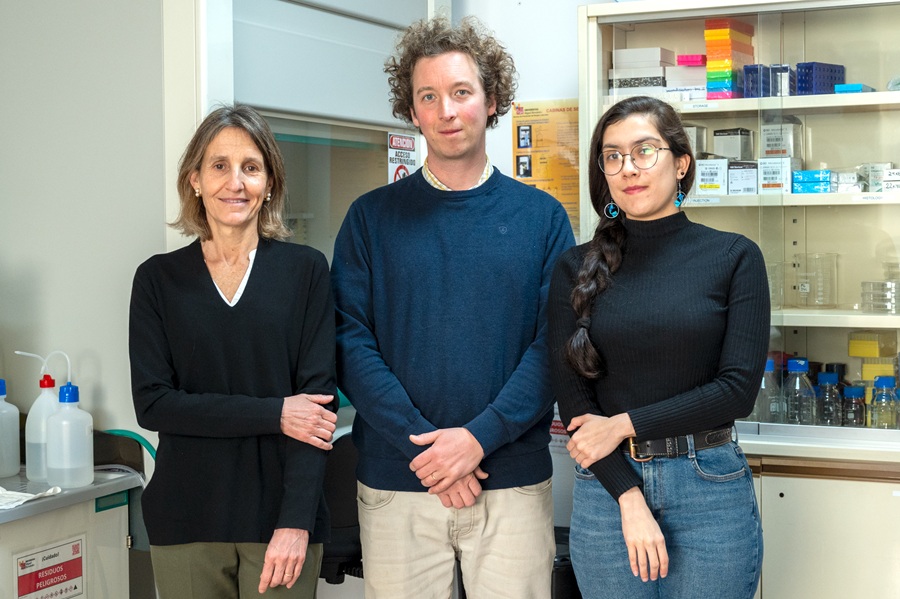
A study led by the Institute for Neurosciences CSIC-UMH demonstrates that the brain reorganizes its sensory maps in the absence of tactile stimuli. These findings, published in Nature Communications, provide new insights into how the brain adjusts its structure and function when a part of the body is missing from birth. (Photo: Luis Miguel Rodríguez […]
A clinical study led by the Institute for Neurosciences reveals that aniridia causes a progressive loss of corneal sensitivity

The study, published in the journal Cornea, shows that this rare disease not only alters the structure of the cornea but also affects the function of the sensory nerves that protect and maintain it. Through a clinical study conducted in children and adults with aniridia, the researchers found that the loss of sensitivity is not […]
A key group of cerebral amygdala neurons identified in anxiety and social disorders

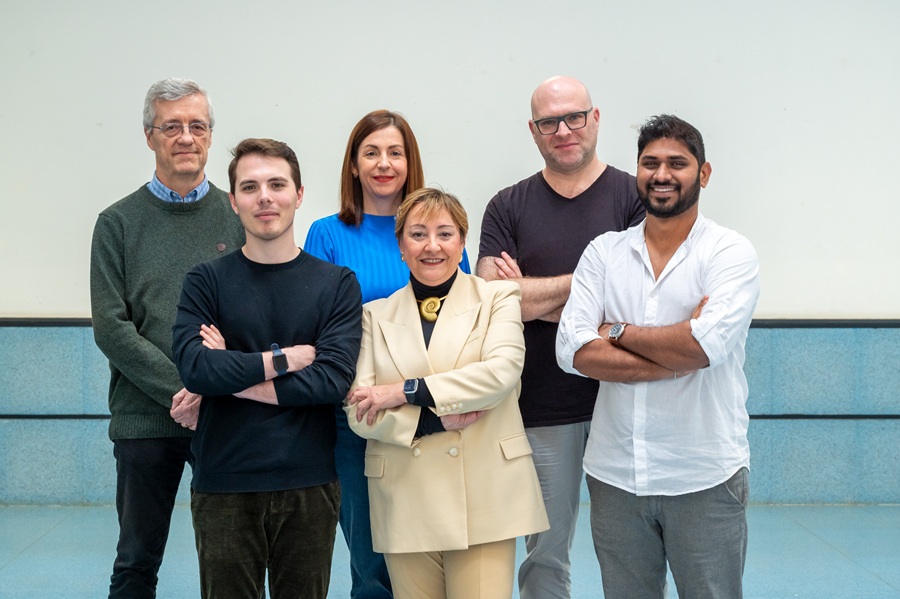
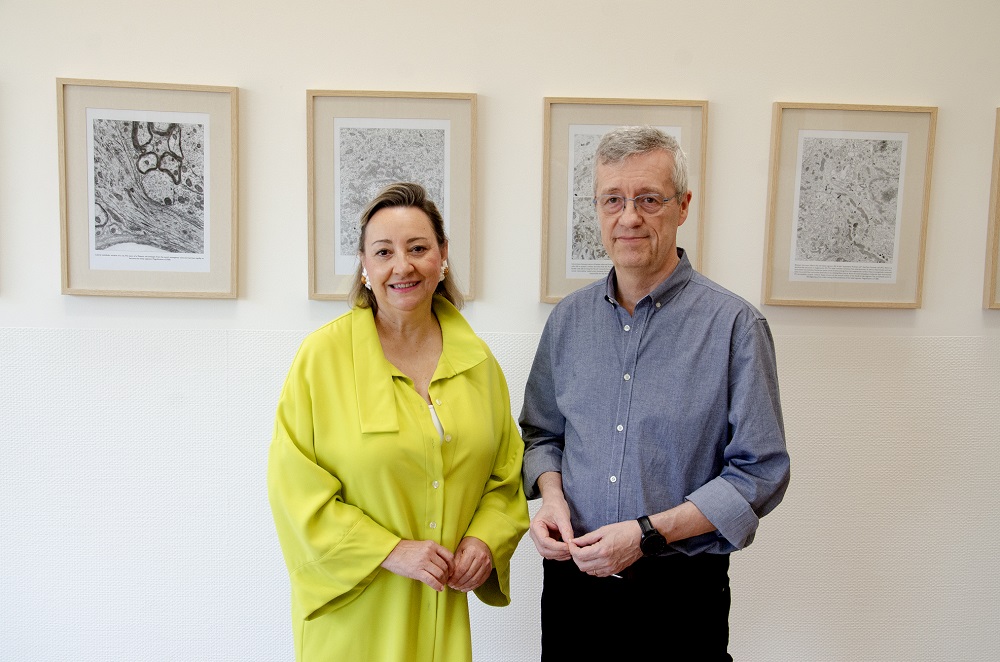
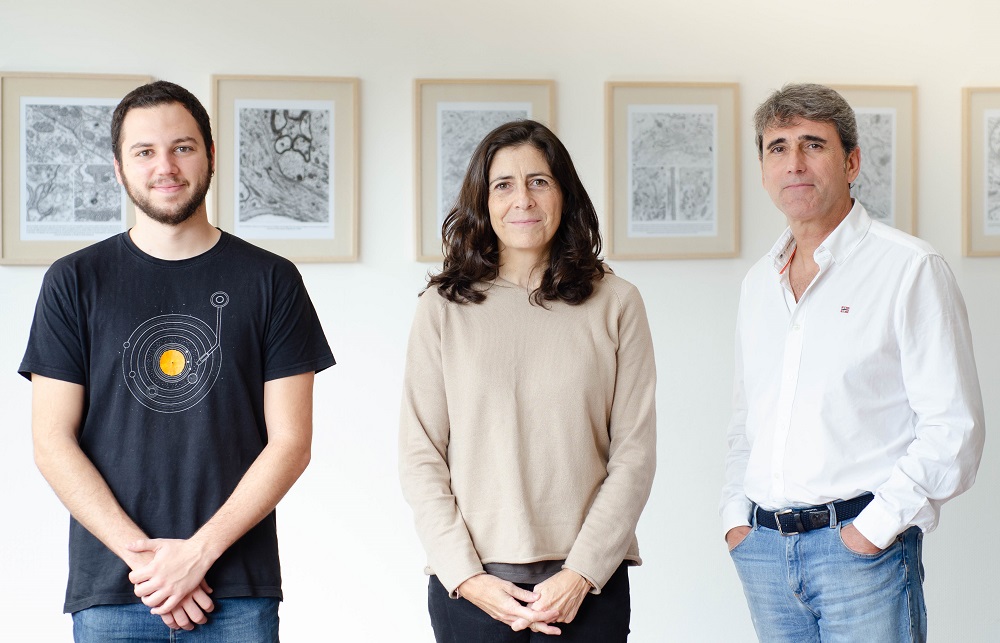
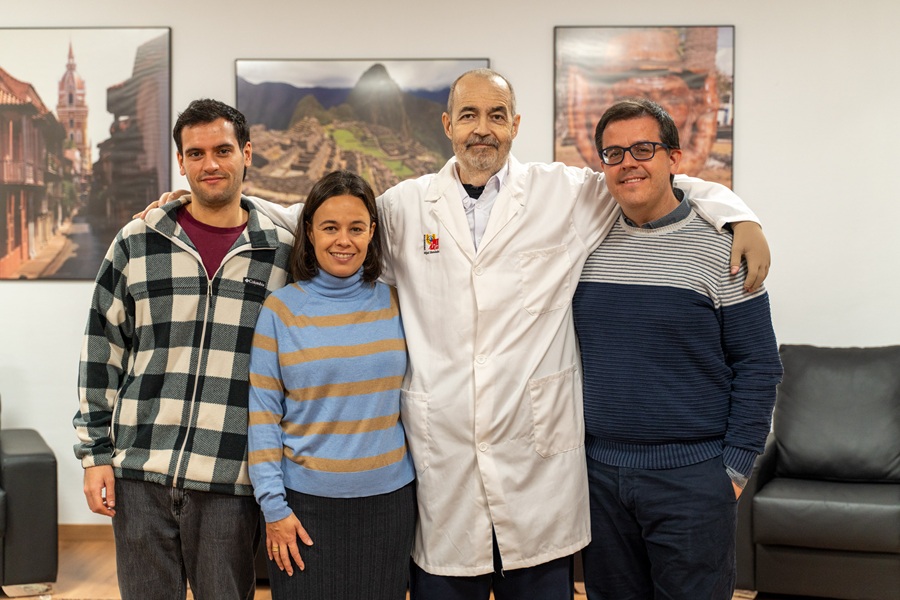
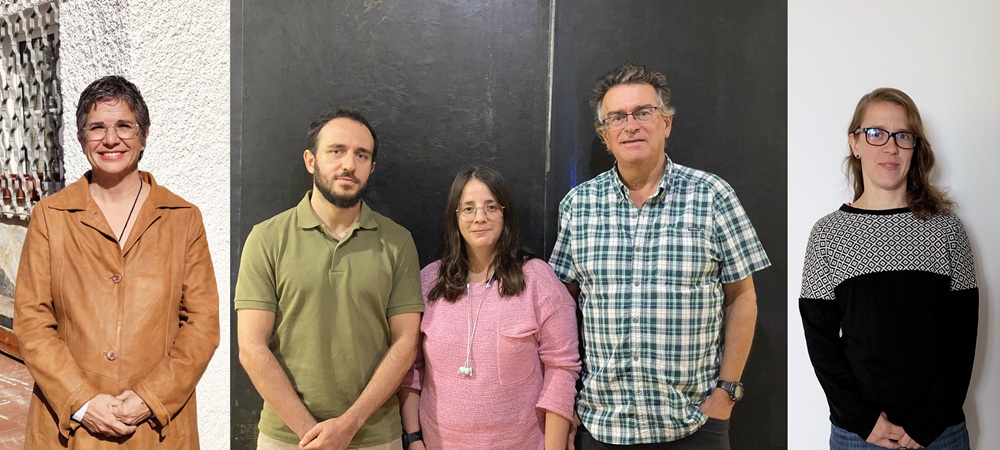
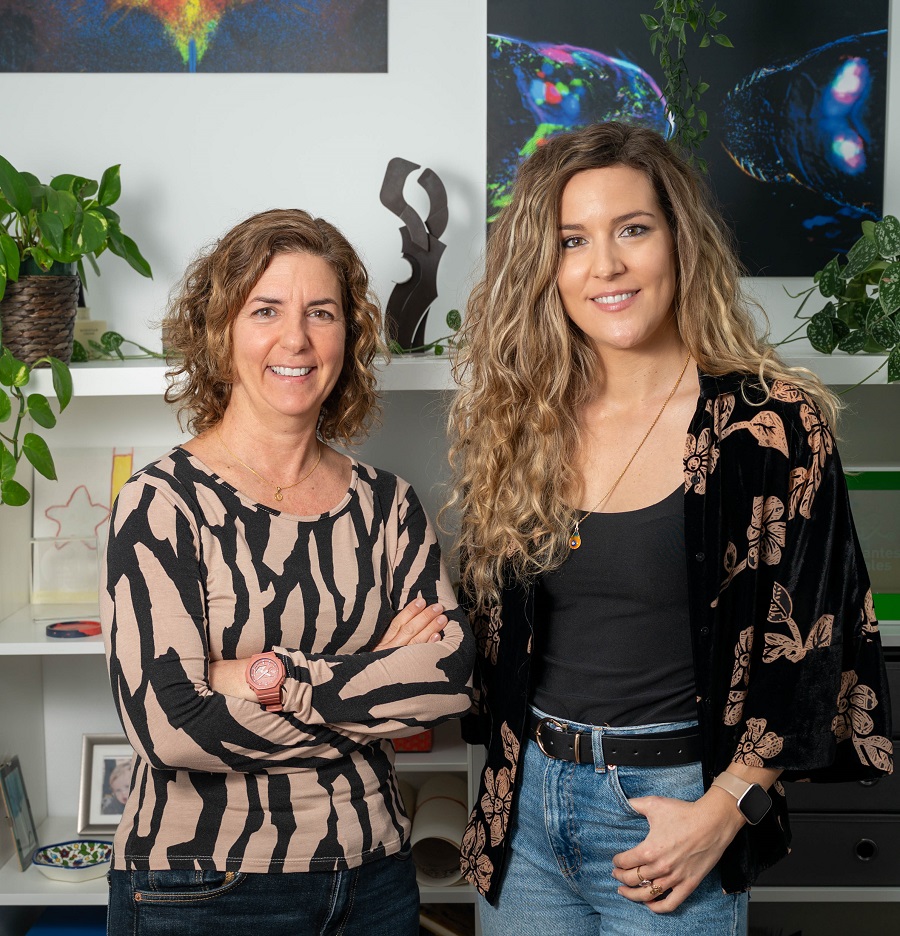
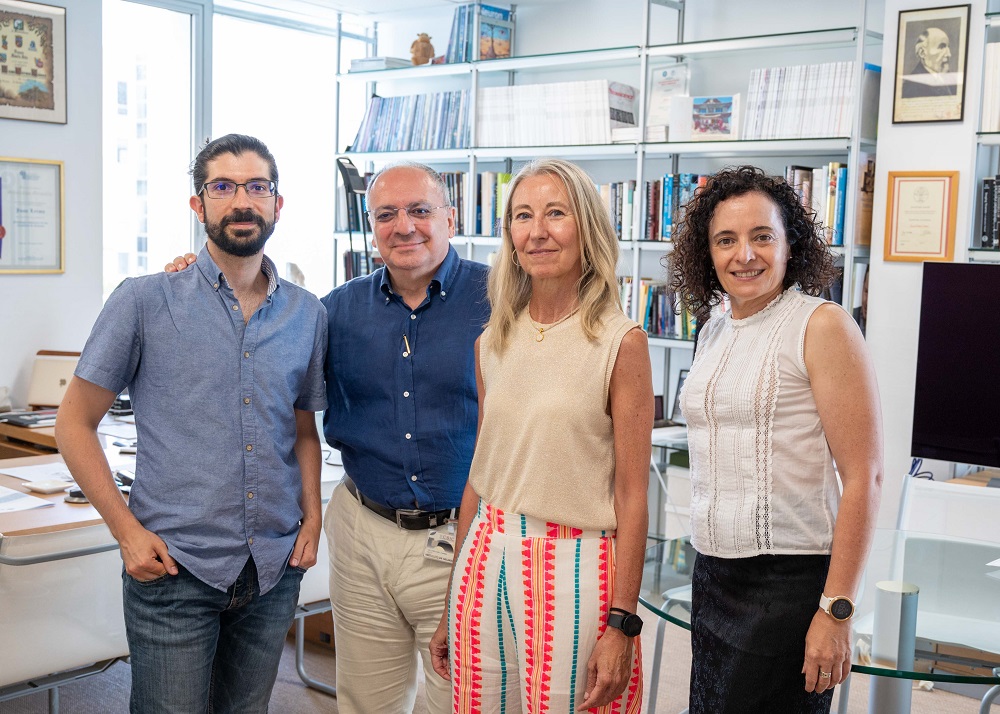
A team from the Institute for Neurosciences reveals that restoring the balance between two amygdala regions reverses depression, anxiety, and autism-like behaviors in mice. This finding opens new avenues for treating affective disorders by targeting a specific neural circuit. (Photo: IN CSIC-UMH researchers Álvaro García, Juan Lerma, Ana Valero Paternain, and María Isabel Aller. Source: […]
A Paper by Felix Leroy’s Team Wins the XX Alberto Sols Award for Best Scientific Work

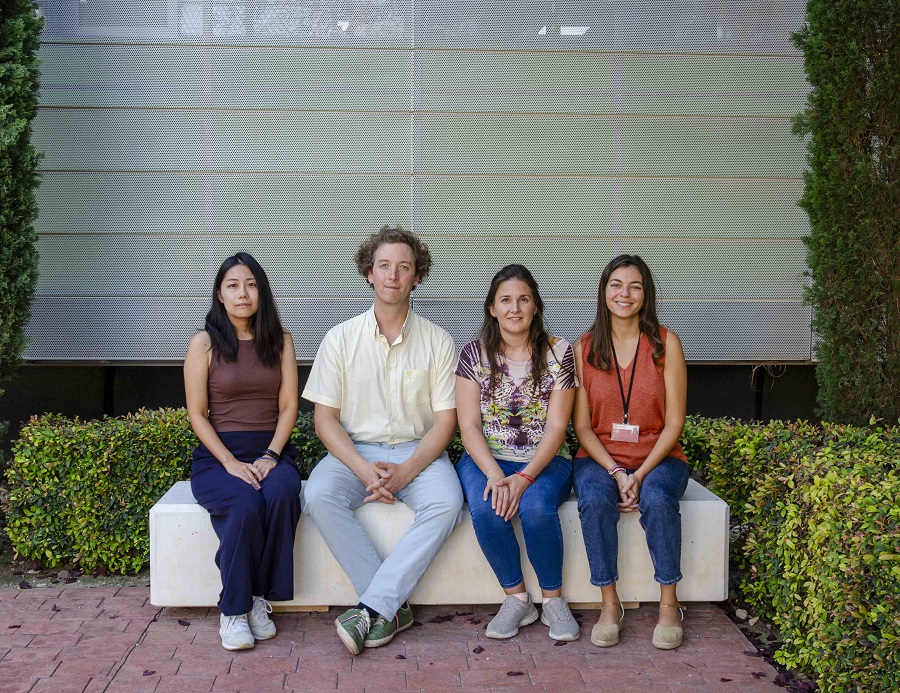
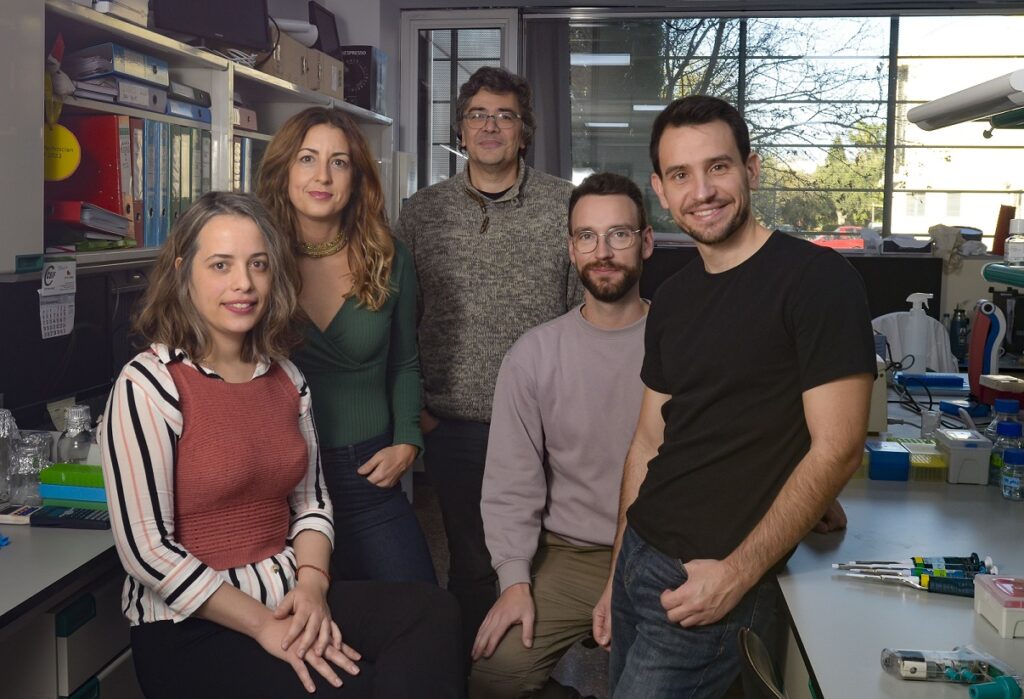
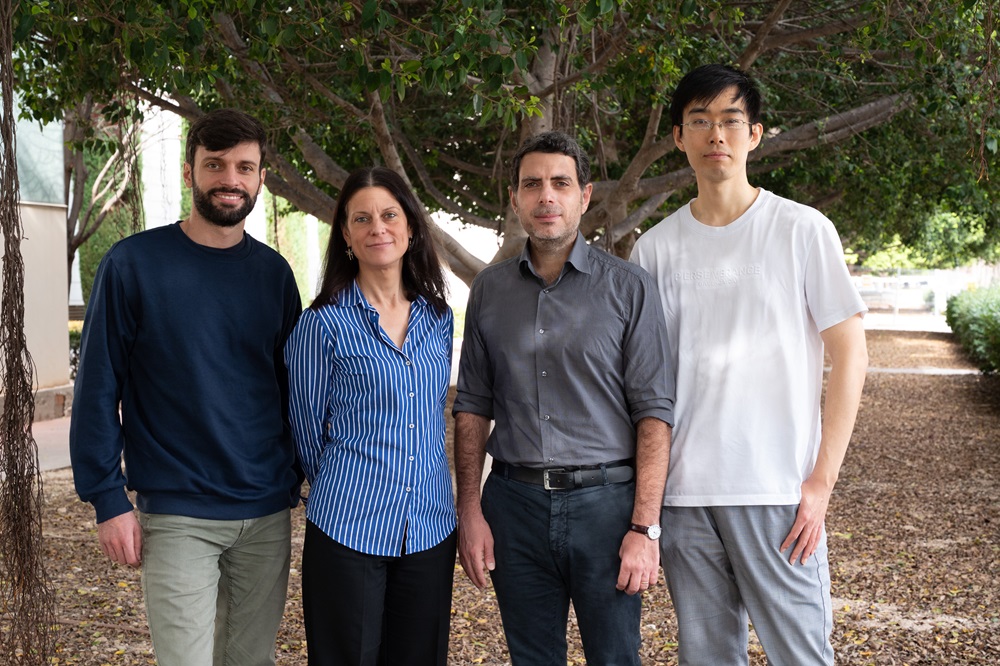
The award’s scientific committee has recognized researcher Félix Leroy for his outstanding contributions to neuroscience. Photo: Team from the IN CSIC-UMH involved in the award-winning article: Yuki Nomura, Félix Leroy, Antonia Ruiz Pino, and Noelia Sofía de León. On November 21, 2024, the scientific committee of the Alberto Sols Awards granted the XX Alberto Sols […]
A project from the Institute for Neurosciences CSIC-UMH will study the role of microglia in Alzheimer’s disease

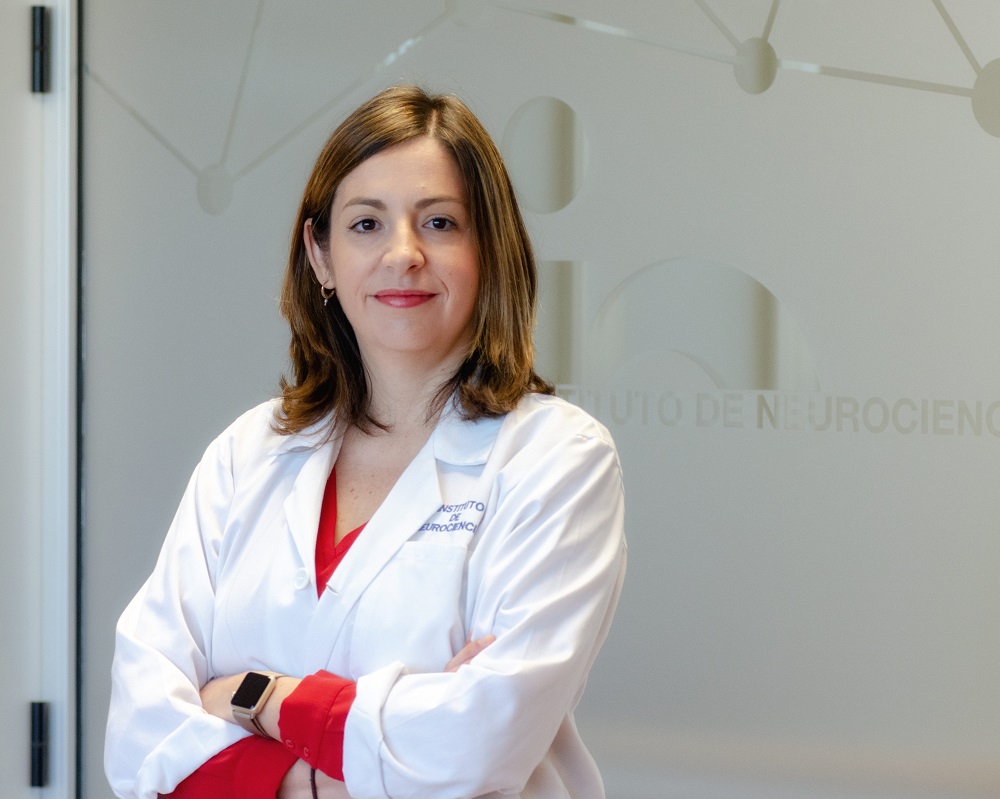
Researcher Silvia De Santis has been awarded a research project from the Pasqual Maragall Researchers Programme 2023 (View press release at attached file) In recent years, it has been discovered that the inflammatory system plays a crucial role in the very early stages of Alzheimer’s disease. However, studying microglia non-invasively and in vivo is a […]
A study by the CSIC-UMH Institute of Neurosciences uncovers how the haltere, the flight stabilizer in flies, is shaped

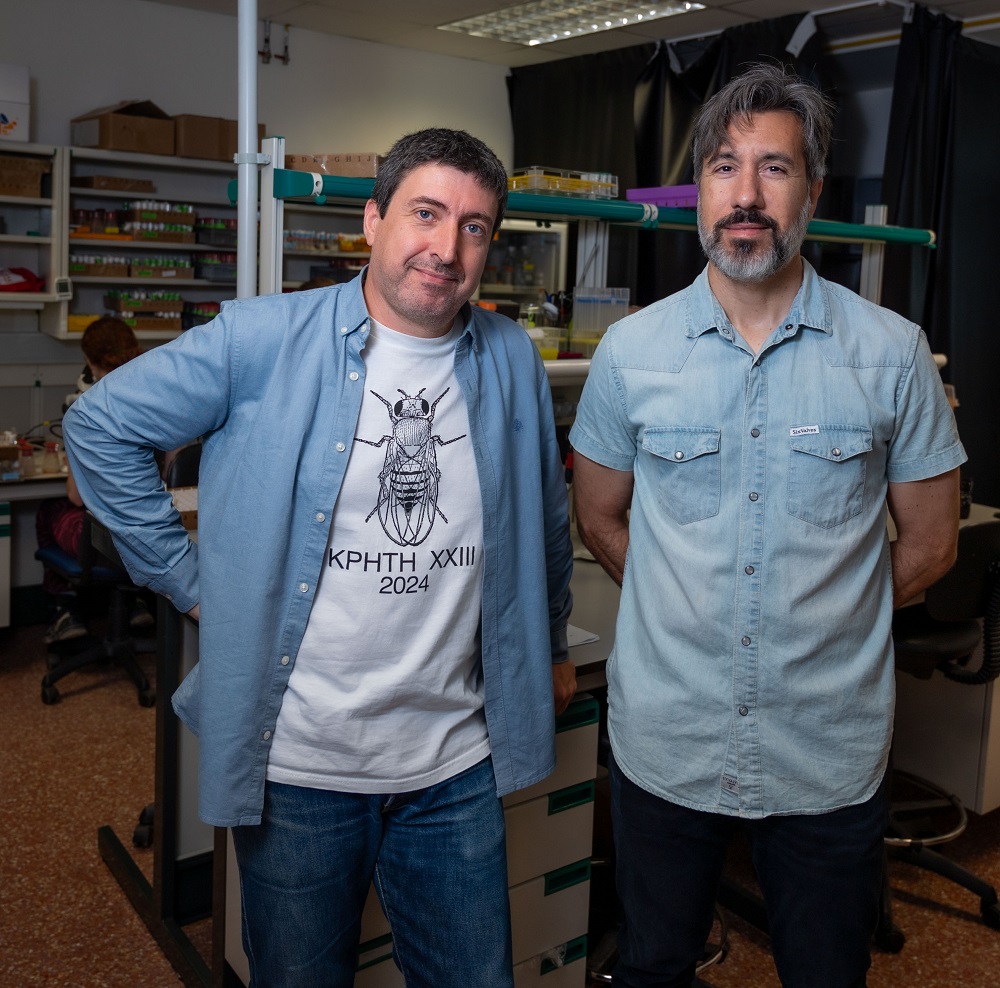
The haltere is a modified wing that allows flies to maintain balance and perform complex aerial maneuvers. The results reveal the existence of an internal network of cellular “tensors” that is crucial in shaping the haltere’s characteristic form. YouTube video: https://youtu.be/2YA-UcFqtbo Researcher José Carlos Pastor Pareja, from the CSIC-UMH Institute of Neurosciences (left), and researcher […]

A study by the Institute for Neurosciences CSIC-UMH reveals how the brain organizes and directs its slowest activity

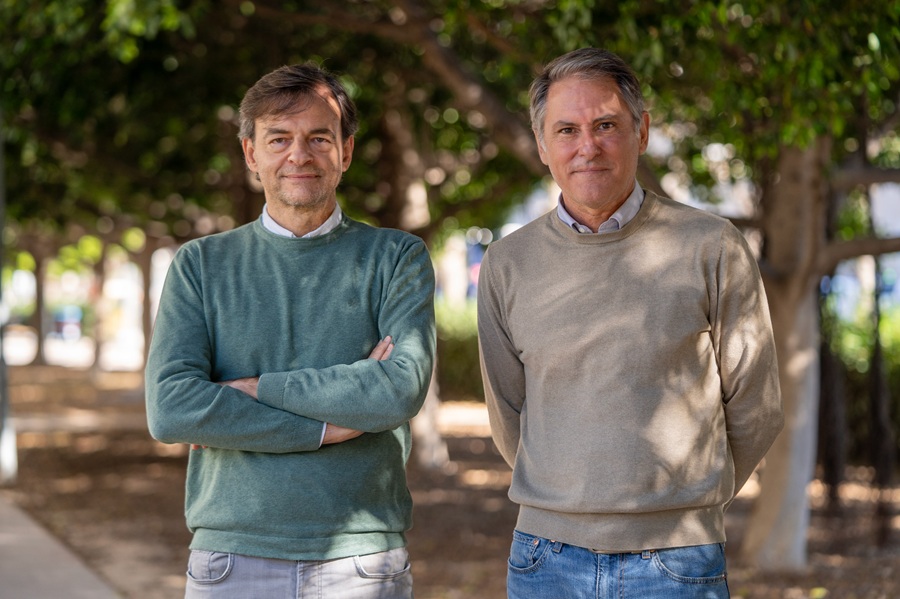
• The study, published in iScience, shows that the directionality of slow waves in the cerebral cortex depends on neuronal excitability and not only on anatomy.• The results of this work, led by the Institute for Neurosciences CSIC-UMH, could help to better understand states such as deep sleep, anesthesia, or pathologies like epilepsy. Photo: The researchers […]

A study by the Institute for Neurosciences CSIC-UMH reveals new mechanisms essential for the visual circuit development

“EphA4 mediates ephrinB1-dependent adhesion in retinal ganglion cells”. Murcia-Belmonte V, Chauvin G, Coca Y, Escalante A, Klein R, Herrera E.The Journal of Neuroscience, 2025, 45(4): e0043242024 doi: https://doi.org/10.1523/JNEUROSCI.0043-24.2024 The EphA4 protein, a key player in the organization of the visual system, performs unexpected functions as a ‘cellular glue’ during embryonic development. The findings of this study, […]

A study by the Institute of Neurosciences CSIC-UMH reveals a key mechanism for controlling the activity of neuronal identity regulators

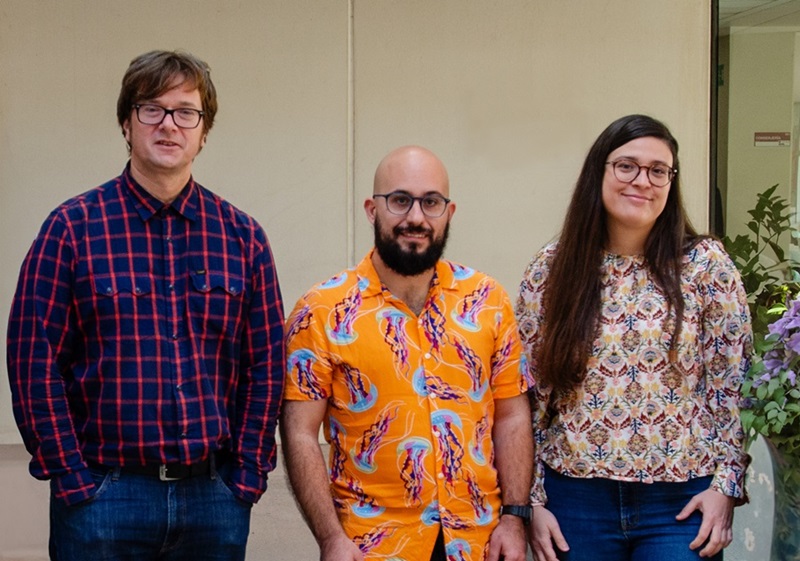
The results of this work reveal how an alternative splicing mechanism regulates an essential factor for neuronal identity. The study, published in Genes & Development, identifies UNC-75/CELF as the indispensable conserved factor that regulates this process. Foto: José Ignacio Jordá Llorens, Eduardo Leyva Díaz and Jessica Valdivia García, IN CSIC-UMH researchers. A team of researchers […]

A study co-led by the Institute for Neurosciences CSIC-UMH uncovers a key link in the genetic communication of craniofacial development

Experts have discovered that the ARID1A gene regulates an essential genetic program for cell migration, with ZIC2 identified as one of the most crucial genes in this process. These findings provide new insights into the craniofacial defects characteristic of Coffin-Siris Syndrome and could pave the way for addressing other developmental disorders. An international team of […]

A study co-led by the Institute for Neurosciences reveals the brain’s dynamic architecture using advanced MRI techniques.

– Experts have incorporated communication delays between brain regions, allowing them to discover a robust and dynamic brain architecture.– This work paves the way for identifying more precise and sensitive brain biomarkers. Researchers from the Institute for Neurosciences (IN), a joint center of the Spanish National Research Council (CSIC) and the Miguel Hernández University (UMH) […]

A study finds that ageing reduces the ability of regulatory T cells to enhance myelin regeneration

– The loss of myelin due to age or neurodegenerative diseases has profound consequences for neurological functions.– At the Institute for Neurosciences UMH-CSIC, several researchers investigate the mechanisms that can help recover myelin. “Ageing impairs the regenerative capacity of regulatory T cells in central nervous system remyelination.” Guzmán de la Fuente A, Dittmer M, Heesbeen […]

A study from the Institute for Neurosciences CSIC-UMH discovers the mechanism that avoids conflicts in the activity of brain stem cells

– This finding, published in Nature Communications, represents another step in understanding how brain stem cells work, in their capacity to produce new neurons.– Brain stem cells express both genes that maintain their identity and genes specific to the neurons they produce. “Intron detention tightly regulates the stemness/differentiation switch in the adult neurogenic niche.” Gonzalez-Iglesias […]

A study from the Institute for Neurosciences CSIC-UMH reveals the role of the protein Kdm1a in maintaining neuronal identity

– The identity of a cell determines its morphology and function throughout its lifespan. Studying the mechanisms that maintain neuronal identity is crucial to understanding rare neurological disorders and neurodegenerative diseases. – This work, published in Nature Communications, suggests that natural aging in both mice and humans produces similar defects as the absence of the […]

A study from the Institute for Neurosciences detects early axonal damage non-invasively in patients with multiple sclerosis using MRI

– The results of this work could provide very useful early biomarkers to develop new therapies against multiple sclerosis. -Axons are the extensions of nerve cells that transmit electrical signals between neurons, allowing them to communicate properly. “A translational MRI approach to validate acute axonal damage detection as an early event in multiple sclerosis.” Cerdán […]

A study involving UMH highlights the need to rethink alcohol addiction treatments

Two years after completing a treatment program, individuals with moderate to severe alcohol dependence continue to show high reactivity to alcohol-related stimuli and remain at risk of relapse. This is the main finding of a new study published in Frontiers in Psychiatry, led by Professor Gabriel Rubio from the Complutense University of Madrid, in collaboration […]

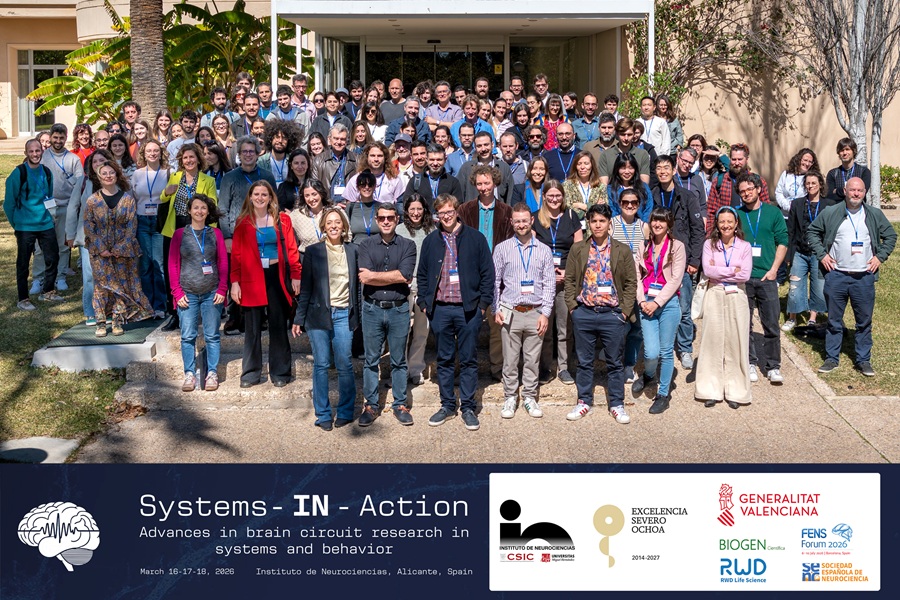
Alicante brings together leading international experts in neuroscience at the first Systems-IN-Action Meeting, a conference on the brain in action

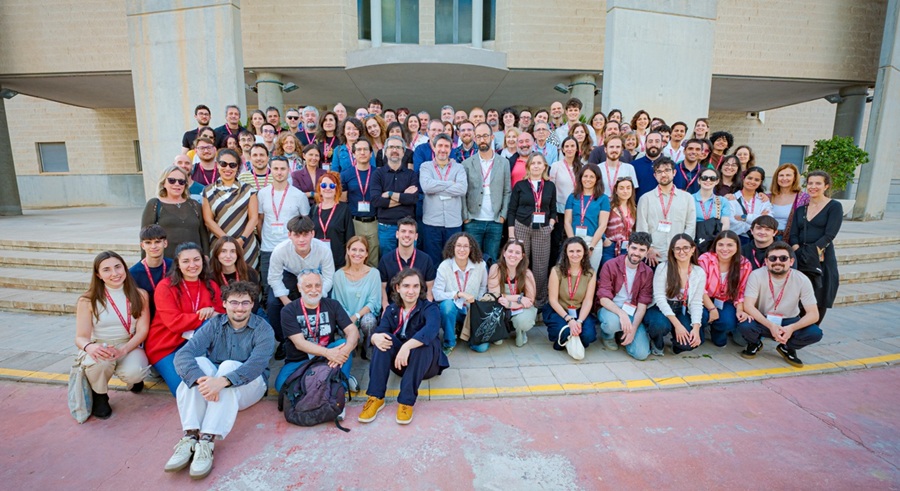
Sant Joan d’Alacant hosted more than 140 experts at the Systems-IN-Action Meeting, an international conference focused on the latest advances in systems neuroscience and on studying the brain in action during behavior. Held from March 16 to 18, the meeting was promoted by the Institute for Neurosciences (IN), a joint center of the Spanish National […]

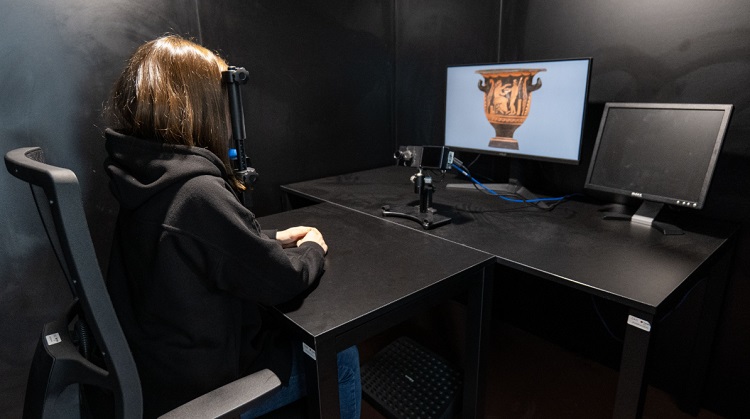
An experiment involving IN CSIC-UMH analyzes how we look at Greek pottery to study the evolution of art

The study is part of the XSCAPE project on Material Minds, funded with over 10 million euros by the European Research Council (ERC). The research shows that the more complex the pieces are, the less predictable eye movements become, and the more elaborate the cognitive processing involved is. A team from the Spanish National Research […]

An innovative protocol reveals the distribution of NMDA receptors in the brains of individuals with Alzheimer’s

This study, led by the Institute for Neurosciences UMH-CSIC, analyzes for the first time the distribution of the proteins that form NMDA receptors in synaptic and extrasynaptic membranes in postmortem brains with Alzheimer’s disease. The findings provide a new perspective on the synaptic mechanisms involved in Alzheimer’s disease. (Photo: IN UMH-CSIC researchers Sergio Escamilla, Inmaculada […]

Brain rhythms reveal how the brain chooses routes to process information

The study, published in PLoS Computational Biology, shows that the balance between two types of inhibition regulates how brain rhythms communicate, enabling flexible and efficient information routing. The research was carried out by the Institute for Cross-Disciplinary Physics and Complex Systems (IFISC UIB-CSIC), the Institute for Neurosciences (IN CSIC-UMH), and Aix-Marseille University (France). Photo: From […]

Cancer cell populations segregate to favor metastasis or antitumour inflammation

-Researchers from the Institute for Neurosciences CSIC-UMH describe simultaneous and opposite programmes within individual tumours.-This study opens new avenues to target highly aggressive therapy-resistant tumours. “Two distinct Epithelial to Mesenchymal Transition Programmes Control Invasion and Inflammation in Segregated Tumour Cell Populations.” Kass Youssef, K., Narwade, N., Arcas, A., Marquez-Galera, A., Jiménez, R., Lopez-Blau, C., Fazilaty, […]

Felix Leroy named EMBO Young Investigator

IN CSIC-UMH researcher Félix Leroy, is among the 27 scientists selected to join the EMBO Young Investigator Programme. Group leaders join an international network of nearly 800 life scientists and receive financial support. The European Molecular Biology Organization (EMBO) has announced the selection of 27 life scientists as the newest members of the EMBO Young […]

First discovery of how an autism-linked mutation reduces vasopressin and alters social behavior

This study from the Institute for Neurosciences shows that vasopressin, a neuropeptide, regulates sociability and social aggression. The results, published in Nature Communications, open the door to treatments that could restore social deficits in autism spectrum disorder without altering social aggression by targeting specific vasopressin receptors. (Photo: Team of the Cognition and Social Interactions laboratory, […]

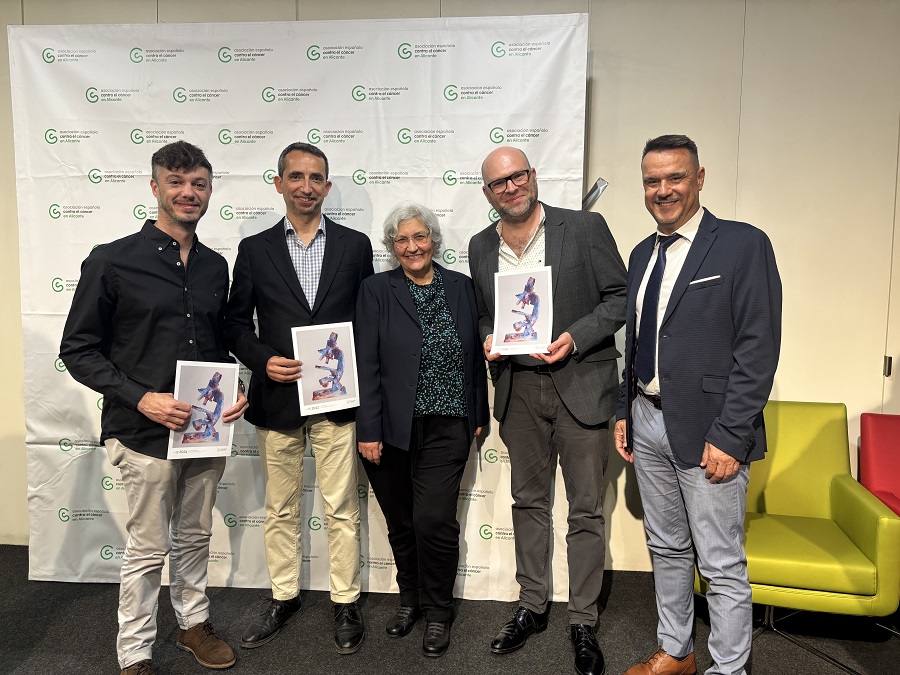
Five projects from the Institute for Neurosciences CSIC-UMH receive AECC grants for cancer research

The Spanish Association Against Cancer (AECC) has presented in Elche its research grants for the province of Alicante, amounting to a total of €658,535. Researchers Khalil Kass Youssef, Víctor Borrell, Mario Aguilar, and Teresa Guillamón are leading research projects funded by this association. With the aim of recognizing and supporting local research talent, the Spanish […]

Inmaculada Cuchillo Ibáñez will lead a project to study the role of apoE protein glycosylation in Alzheimer’s disease

The researcher from the Institute for Neurosciences UMH-CSIC has received a $300,000 grant from the Alzheimer’s Association to study the relationship between the apoE protein and Alzheimer’s disease over three years. The team will use advanced glycoproteomics techniques and stem cells to gain a better understanding of this neurodegenerative disease. Photo: Inmaculada Cuchillo Ibáñez, researcher […]

Javier Morante takes part in a groundbreaking study on Polycystic Ovary Syndrome Funded by La Marató de 3Cat

The research team will conduct a study combining animal models and human data to advance the early diagnosis of this complex condition. The project also includes a volunteer campaign at two Catalan hospitals to recruit girls and young women with and without polycystic ovary syndrome. To unravel the biological mechanisms underlying polycystic ovary syndrome (PCOS), […]

Light to relieve dry eye: a photosensitive molecule modulates corneal nerve activity

The study, led by the IN UMH-CSIC, demonstrates that optopharmacology can modulate corneal nerve hyperactivity without suppressing its protective function. The findings, published in the journal British Journal of Pharmacology, open the door to localized and reversible treatments to relieve ocular discomfort. Photo: The team from the Ocular Neurobiology Laboratory who participated in the study: […]

Nine researchers from the Institute for Neurosciences CSIC-UMH among the most cited in the world

A study, carried out by the academic publisher Elsevier, using data from the scientific database Scopus, has recognized nine researchers from the Institute for Neurosciences (IN), a joint center of the Spanish National Research Council (CSIC) and the Miguel Hernández University (UMH) of Elche, among the most cited in the world. This ranking is considered […]

Ocular surface information seen from the somatosensory thalamus and cortex.

-The Ocular Neurobiology laboratory of the Institute for Neurosciences studies the molecular and cellular mechanisms that give rise to the different sensations experienced on the eye surface.– This work sheds light on how sensory stimulus information is integrated from the peripheral nervous system into the brain’s cortical networks. “Ocular surface information seen from the somatosensory […]

Over 100 experts gather in Alicante for the 11th European Conference of Comparative Neurobiology

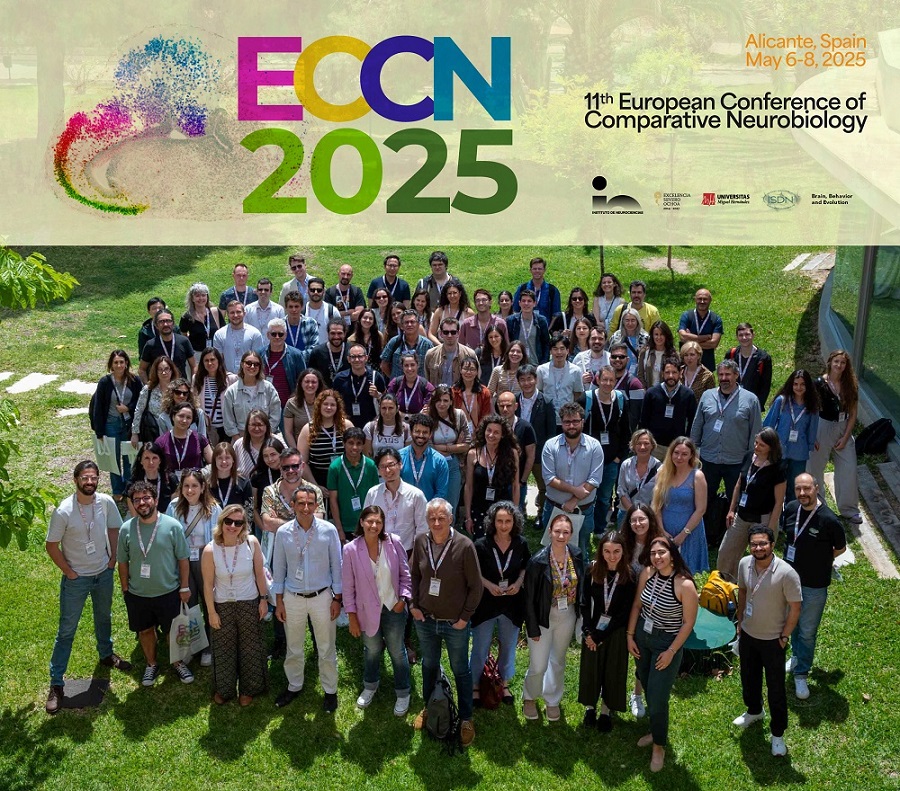
From May 6 to 8, 2025, the San Juan Complex in Sant Joan d’Alacant hosted the 11th European Conference on Comparative Neurobiology (ECCN2025). This internationally renowned event brought together more than 100 specialists worldwide to discuss the latest advances in the study of the nervous system from an evolutionary and comparative perspective. Held every three […]

Physical and cognitive environmental stimuli achieve molecular rejuvenation of the brain

– A study led by CSIC researchers describes the first molecular atlas of the hippocampus during ageing in mice. – These results could provide a molecular basis for explaining the benefits of staying active during old age and inform the design of healthy ageing policies. Scientists from the Spanish National Research Council (CSIC) have analyzed […]

Possible Mechanism for Fold Formation in the Cerebral Cortex Discovered

– This work shows that epigenetic marks are a key mechanism in the instructions that genes receive to express themselves and generate folds.– The Cux2 protein can alter the pattern of brain folding in ferrets and induce it in mice. “Gene regulatory landscape of cerebral cortex folding2”. Singh A, Del-Valle-Anton L, de Juan Romero C, […]

Professor Isabel Pérez-Otaño Receives Prestigious $1 Million Grant from USA National Multiple Sclerosis Society

– Multiple sclerosis is a disease of the brain and spinal cord caused by the loss of myelin. It affects more than 2.8 million people worldwide. – The team led by Professor Pérez-Otaño at the Institute for Neurosciences has discovered a brain receptor that could unlock myelin plasticity. The National Multiple Sclerosis Society (USA) has […]

Research professor Santiago Canals collaborates on a congressional report on minors and social media

A large part of adolescent socialization occurs in digital environments, where social media influences how minors communicate, build their identity, and learn, but also poses risks to their mental health and rights. To address this reality, the Congress of Deputies’ Office of Science and Technology has presented the report Menores y redes sociales (Minors and […]

Researcher Berta L. Sánchez-Laorden, awarded a Beca Leonardo for her work on tumor microenvironment reprogramming

These grants recognize innovative projects and support scientists at key stages of their careers. Sánchez-Laorden’s research explores new strategies to block metastasis by reprogramming the tumor microenvironment and improving therapy response. Photo: Berta L. Sánchez-Laorden, CSIC Tenured Scientist at the Institute for Neurosciences. Source: IN CSIC-UMH Berta López Sánchez-Laorden, Spanish National Research Council (CSIC) tenured […]

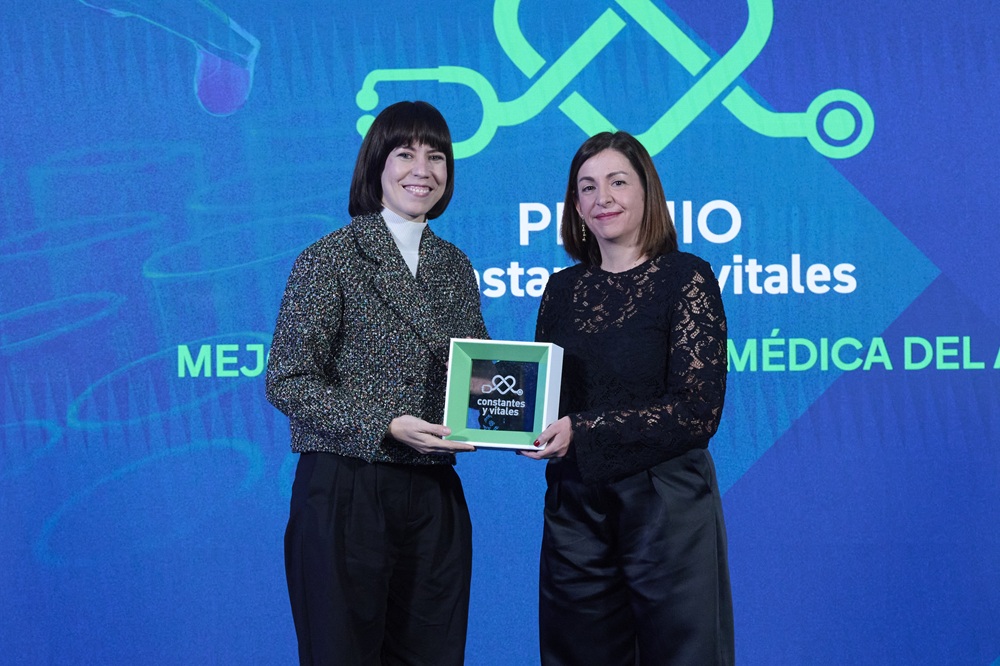
Researcher Berta Sánchez-Laorden receives the Constantes y Vitales Award for Best Biomedical Publication of the Year

The study, published in Cancer Cell, revealed the key role of microglia, the brain’s resident immune cells, in the progression of brain metastases and proposes a strategy to promote antitumor responses. The Minister of Science, Innovation and Universities, Diana Morant, presented the award to researcher Berta Sánchez-Laorden. Source: Atresmedia. LaSexta, through its Corporate Responsibility initiative […]

Researcher Félix Leroy receives an ERC Proof of Concept grant to develop solutions for social anxiety disorder and schizophrenia

The goal of ERC Proof of Concept grants is to help ERC-funded ideas transition from pioneering research to innovation. This project could pave the way for the development of targeted medications to treat extreme introversion. A team led by Félix Leroy at the Institute for Neurosciences (IN), a joint center of the Spanish National Research […]

Researchers at the IN UMH-CSIC move closer to an early diagnosis of Parkinson’s disease through a simple blood test

Using sequencing and bioinformatic analysis, scientists identified 22 genes with altered expression in drug-naïve Parkinson’s patients, many of which are linked to immune and iron-related pathways. The study, published in Neurotherapeutics, paves the way for blood-based diagnostic tools to detect Parkinson’s disease at earlier stages. Photo: UMH Professor Jorge Manzanares, who leads the Translational Neuropsychopharmacology […]

Researchers at the Institute for Neurosciences have discovered the involvement of parallel lineages of stem cells in the generation of neurons

• This finding represents a significant step towards a greater knowledge of the process of generating neurons, known as neurogenesis.• Researchers propose that the existence of parallel lineages influences the folding of the cerebral cortex. Multiple parallel cell lineages in the developing mammalian cerebral cortex. Del-Valle-Anton L, Amin S, Cimino D, Neuhaus F, Dvoretskova E, […]

Researchers at the Institute for Neurosciences identify the molecular mechanisms linking early-life environments with memory

The study, published in Nature Communications, reveals that the transcription factor AP-1 acts as a molecular ‘switch’ that converts early-life experiences into lasting cognitive improvements or impairments. Researchers found that blocking the Fos gene prevents mice from benefiting from an enriched environment, highlighting the essential role of AP-1 in neuronal plasticity. Photo: IN CSIC-UMH researchers […]

Researchers at the Institute for Neurosciences UMH–CSIC identify key genetic alterations in the brains of people with alcoholism

The study, published in the journal Addiction, reveals how decades of alcohol consumption alter the activity of key genes in brain regions involved in addiction. The findings help explain vulnerability to relapse and open new avenues for the development of more targeted treatments for alcoholism. (Photo: IN UMH-CSIC researchers Abraham Torregrosa, María Salud García Gutiérrez, […]

Researchers at the Institute of Neurosciences UMH–CSIC demonstrate the effectiveness of a new treatment for alcoholism in mice

A new experimental compound reduces alcohol consumption and the anxiety associated with withdrawal in animal models. The molecule, named MCH11, acts on the endocannabinoid system to restore the balance of brain signals related to well-being and motivation Photo: IN UMH-CSIC researchers Daniela Navarro, Mª Salud García Gutiérrez, Jorge Manzanares, Abraham Torregrosa and Francisco Navarrete. Source: […]

Researchers discover how the interaction of two “epigenetic guardians” protects neuronal identity

Researchers discover how the interaction of two “epigenetic guardians” protects neuronal identity This study shows that the enzymes KDM1A and KDM5C collaborate to prevent neurons from activating inappropriate genes, ensuring their proper function. The findings, published in Cell Reports, open new avenues to understand the origin of neurological disorders associated with mutations in these genes, […]

Researchers from the Institute for Neuroscience unveil a novel strategy to combat melanoma brain metastases

This study reveals the key role of microglia, brain’s immune cells, in brain metastases progression and identifies a strategy to manipulate them to promote antitumor responses. This finding, published in Cancer Cell, could enhance the effectiveness of immunotherapy in patients with brain metastases. (Photo: Researchers Ángel Márquez, José López-Atalaya, Berta Sánchez-Laorden, F. Javier Rodríguez, Pablo […]

Researchers map how the cerebellum builds its connections with the rest of the brain during early development

The study, published in PNAS, presents a detailed map of how multiple cerebellar projections to the rest of the brain develop, identifying when and how these connections are established and consolidated. The results show that this connectivity emerges much earlier than expected, suggesting that the cerebellum may act as an early ‘hub’ essential for organizing […]

Scientists discover a key mechanism regulating how oxytocin is released in the mouse brain

A study led by the Institute for Neurosciences CSIC-UMH has identified an essential protein responsible for the slow and sustained release of oxytocin in the brain, a process that is fundamental for the regulation of social behavior. This work, published in Communications Biology, provides new insights into how the brain maintains basal levels of this […]

Scientists find a determining mechanism for the synapse formation in the cerebellum

– A study co-led by the Institute of Neurosciences (CSIC-UMH) demonstrates that one of the receptors for the neurotransmitter glutamate is essential to generate synaptic plasticity in the cerebellum. – Dysfunctions in synapses can lead to brain disorders such as epilepsy, Parkinson’s disease, depression, schizophrenia, and autism. Kainate receptors regulate synaptic integrity and plasticity by […]

Six researchers from the IN CSIC-UMH are among the most cited worldwide, according to the Stanford Ranking

A total of 50 scientists affiliated with the Miguel Hernández University (UMH) of Elche have been recognized among the most cited researchers worldwide, according to the ranking compiled by Stanford University and the academic publisher Elsevier, based on data extracted from the Scopus bibliographic database. Six of them belong to the Institute for Neurosciences (IN), […]

Study by the Institute for Neurosciences UMH–CSIC shows that CBD reverses damage caused by fetal alcohol spectrum disorder in mice

The study, published in Biomedicine & Pharmacotherapy, shows that CBD reverses alterations in the gut–brain axis and gut microbiota caused by prenatal alcohol exposure. Cannabidiol treatment normalises anxiety, depression, and increased vulnerability to addiction in mice exposed to alcohol during development, with particularly strong effects in females. Photo: From top to bottom: Jorge Manzanares (IN […]

Study reveals that the basic mechanisms of visual attention emerged over 500 million years ago

The superior colliculus, an ancestral brain structure, performs visual computations once thought to be exclusive to the cortex. The study combines a novel approach using patterned optogenetics with electrophysiology, circuit mapping, and computational modelling to uncover how ancient brain circuits filter and prioritise visual information. Photo: IN CSIC-UMH researchers Giovani Usseglio, Teresa Femenía, Andreas Kardamakis […]

Study reveals that the body uses different sensors to detect cold in the skin and in internal organs

The study, led by the IN CSIC-UMH and published in Acta Physiologica, shows that the molecular mechanisms involved in cold detection are not uniform throughout the body. The skin mainly relies on the TRPM8 sensor, whereas internal organs primarily depend on the TRPA1 sensor, explaining differences in the perception of external and internal cold. Photo: […]

The Institute for Neurosciences CSIC – UMH receives more than €3.1 million in the 2024 National Knowledge Generation call

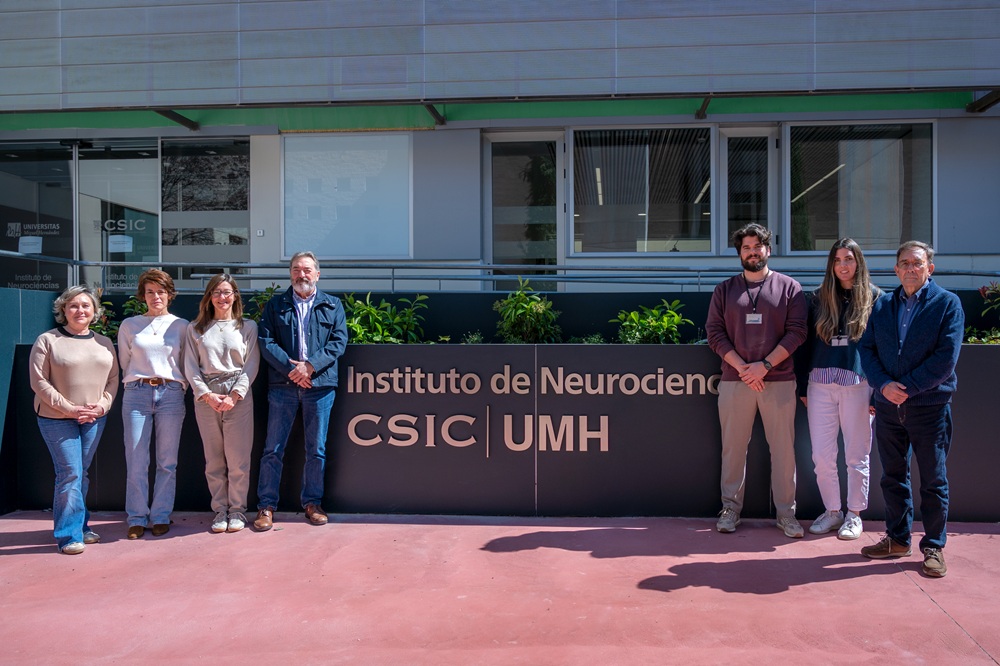
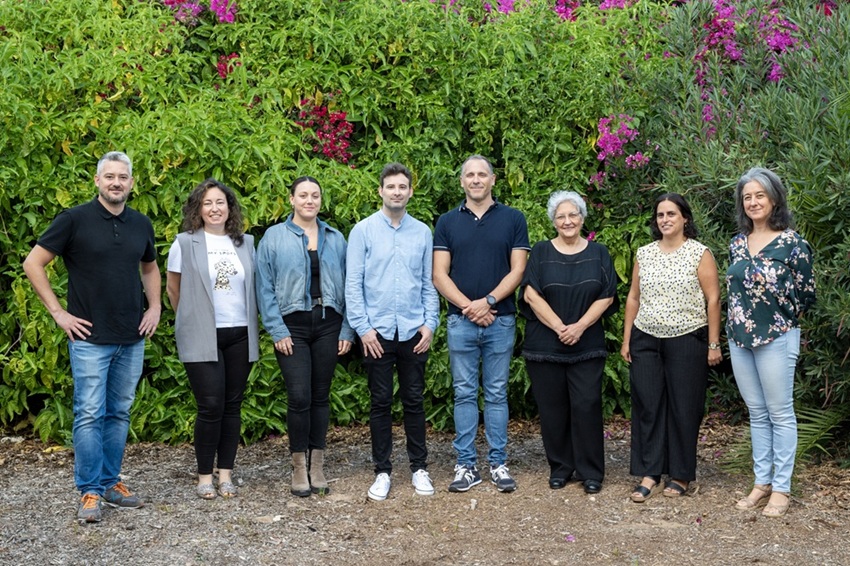
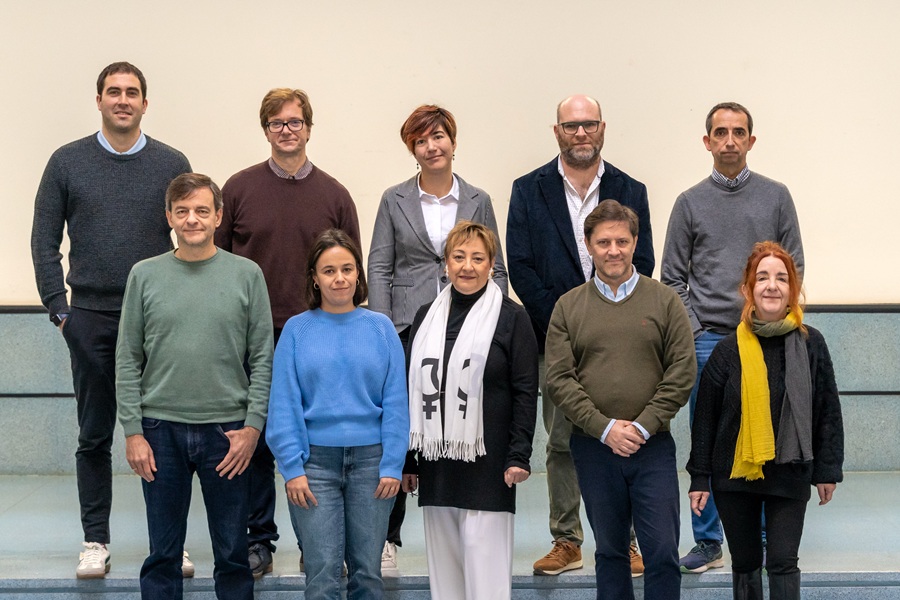
Part of the IN CSIC-UMH research team leading projects funded under the 2024 Knowledge Generation call. From left to right, top to bottom: Javier Aguilera, Ramón Reig, Alerie Guzmán, Khalil Kass Youssef, Víctor Borrell, Santiago Canals, Mª Salud García, Ángela Nieto, José P. López Atalaya, and Ana Carmena. Source: IN CSIC-UMH. The Institute for Neurosciences […]

The Pasqual Maragall Foundation visits the Institute for Neuroscience to award the Pasqual Maragall Researchers Programme grant

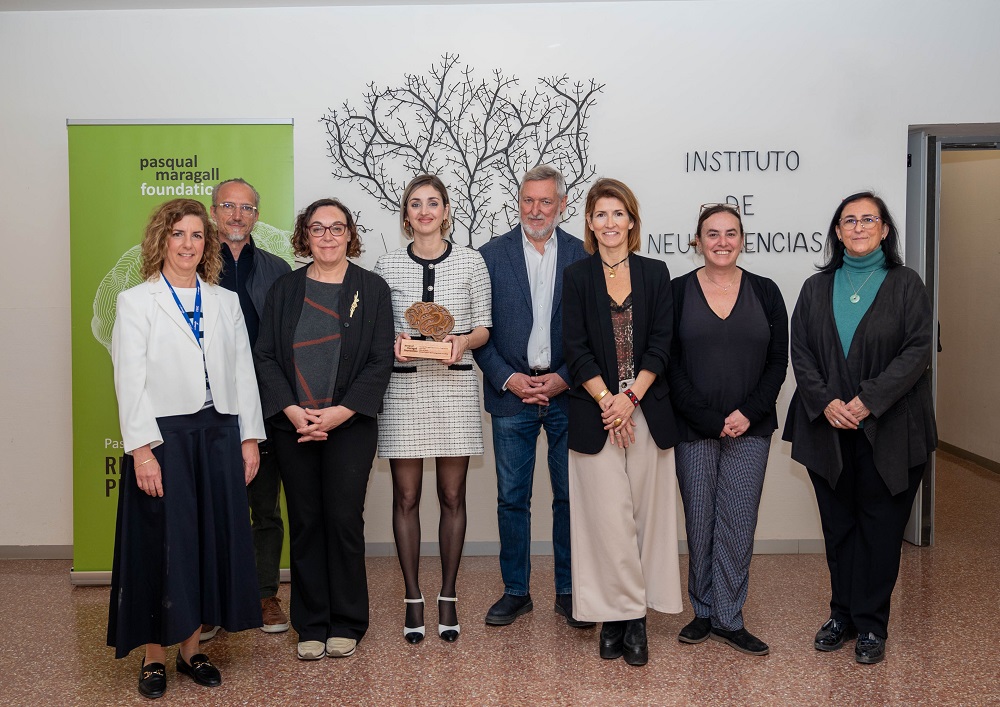
Cristina Maragall, president of the Pasqual Maragall Foundation, and Glòria Oliver, deputy general director, visited the Institute for Neuroscience (IN), a joint center of the Spanish National Research Council (CSIC) and the Miguel Hernández University (UMH) in Elche, today. The visit marked the official awarding of the Pasqual Maragall Researchers Programme grant to researcher Silvia […]

The researcher Félix Viana will coordinate an international project to study the molecular basis of cold perception

– The project will study the structure and function of temperature-sensitive proteins in animals adapted to different thermal environments, such as the woolly mammoth, the polar bear, and the Asian elephant. – The Human Frontier Science Program promotes international collaboration in basic research, funding innovative projects focused on elucidating the mechanisms of living organisms. The […]

The Spanish Association Against Cancer brings science closer to citizens from Alicante

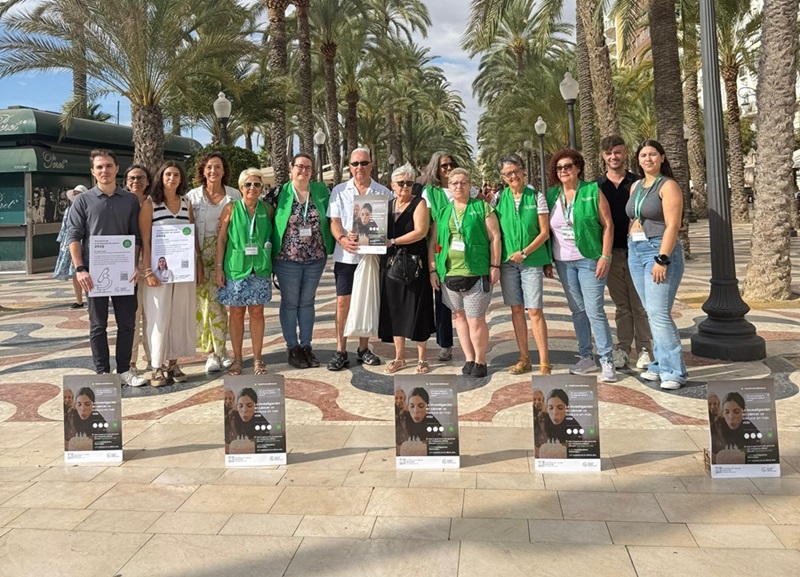
Photo: Volunteers and researchers from the Spanish Association Against Cancer on the Explanada in Alicante during World Cancer Research Day. Source: AECC Alicante. On the occasion of World Cancer Research Day, the Spanish Association Against Cancer (AECC) in Alicante took to the streets of the city on September 24 to bring citizens closer to the […]