
 Español
Researcher Berta Sánchez-Laorden receives the Constantes y Vitales Award for Best Biomedical Publication of the Year
9 de December de 2025
- The study, published in Cancer Cell, revealed the key role of microglia, the brain’s resident immune cells, in the progression of brain metastases and proposes a strategy to promote antitumor responses.
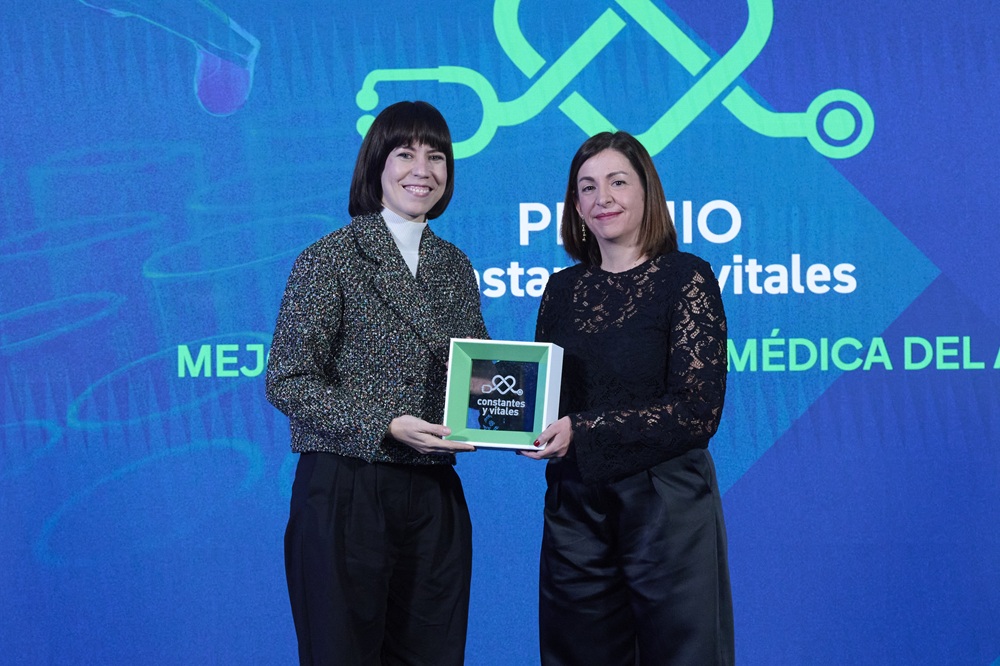
The Minister of Science, Innovation and Universities, Diana Morant, presented the award to researcher Berta Sánchez-Laorden. Source: Atresmedia.
LaSexta, through its Corporate Responsibility initiative Constantes y Vitales, promoted in collaboration with Fundación AXA, presented the Constantes y Vitales Awards for Biomedical Research and Health Prevention yesterday. In this 11th edition, and for the first time, four of the award categories were granted to women researchers, including Berta Sánchez-Laorden, from the Institute for Neurosciences (IN), a joint center of the Spanish National Research Council (CSIC) and Miguel Hernández University of Elche (UMH). She received the Award for Best Biomedical Publication of the Year for her study Microglial reprogramming enhances antitumor immunity and immunotherapy response in melanoma brain metastasis, published in Cancer Cell in 2025.
Other awardees included Amaia Cipitria Sagardia, from the Biogipuzkoa Health Research Institute (Young Talent in Biomedical Research Award); Núria López-Bigas, from IRB Barcelona (Career Achievement Award in Biomedical Research); and the Asturias Health Service (SESPA), which received the award for Best Awareness Campaign in Medical Prevention.
The ceremony featured the institutional support of Diana Morant, Minister of Science, Innovation and Universities, who presented the award to Sánchez-Laorden, as well as José Manuel Fernández de Labastida, Director of the Spanish State Research Agency; representatives from Atresmedia and Fundación AXA; and members of the jury, including Alfredo Carrato, Pedro Duque, María Sanz Vicente, Ángela Nieto, Ramón Reyes, and Nieves Mijimolle.
A breakthrough redefining the role of microglia in melanoma brain metastasis
The study, led by Sánchez-Laorden in the Cell Plasticity in Development and Disease Laboratory at the Institute for Neurosciences, demonstrates that microglia, the brain’s resident immune cells, can be reprogrammed to slow the progression of melanoma brain metastases, one of the most aggressive forms of skin cancer. According to the researcher: “In this work, we identified a key signalling pathway, Rela/NF-kB, which, when inhibited, reverses the protumor function of microglia and activates an immune response against tumors”.
The research, conducted in preclinical mouse models using state-of-the-art sequencing techniques, revealed how blocking this pathway transforms microglia into cells capable of activating other components of the immune system.“We showed that when we inhibit Rela/NF-kB signalling in microglia, these cells begin sending signals to cytotoxic T lymphocytes and NK cells, which then effectively attack tumor cells”, explains Francisco Javier Rodríguez Baena, first author of the study.
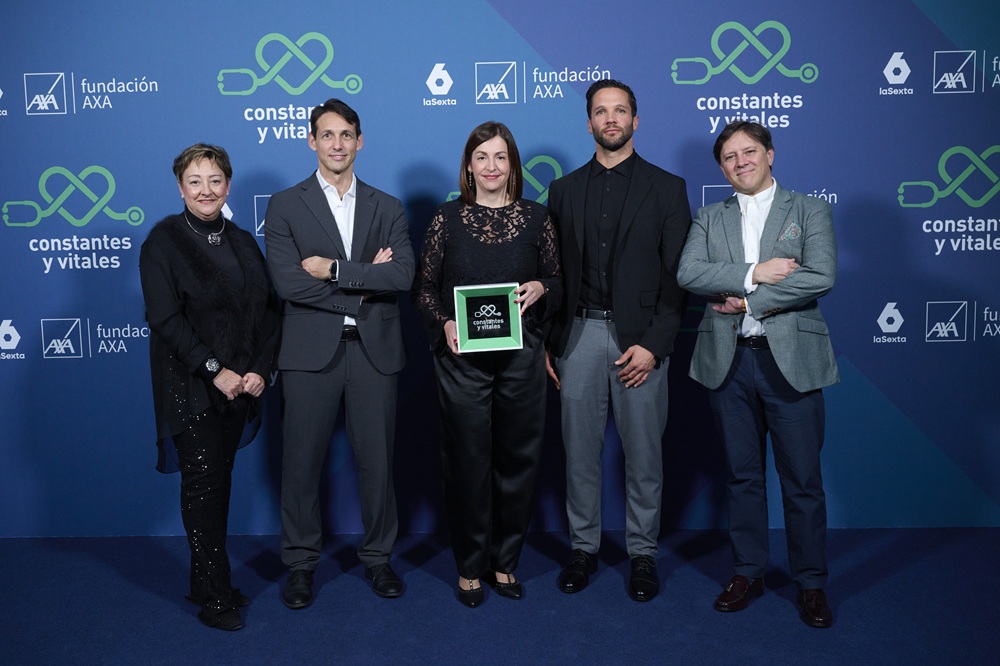
From left to right: Ángela Nieto, Emilio Cruz, Berta Sánchez-Laorden, Francisco Javier Rodríguez Baena & José López-Atalaya. Source: Atresmedia
The findings open the door to new therapeutic combinations that could significantly improve survival in patients with brain metastases. “This approach allows us to explore strategies that could greatly improve the prognosis of advanced cancer”, Sánchez-Laorden noted.
The project was carried out in collaboration with the laboratory of José López-Atalaya at the Institute for Neurosciences (expert in microglia and sequencing data analysis), and the team of Professor Gema Moreno-Bueno, from IIBM-CSIC-UAM and the MD Anderson Foundation, who provided patient samples. These samples were essential for validating in human tissue the observations made in preclinical models, confirming that blocking the Rela/NF-kB pathway in microglia may have future clinical applications.
This work was made possible thanks to funding from the Melanoma Research Alliance, Fundación FERO, the Spanish State Research Agency (Ministry of Science, Innovation and Universities), and the Carlos III Health Institute (ISCIII), among others.
Over 10 years of commitment to strengthening science
Since its launch in 2014, shortly after joining Atresmedia, Constantes y Vitales became the first Corporate Responsibility initiative of laSexta, promoted together with Fundación AXA. For more than a decade, it has been driving transformative actions to support science in Spain. The initiative has led major campaigns such as ‘Objetivo 2%’ to increase R&D investment, helped establish the Spanish State Research Agency, and created a database of women scientists in collaboration with the Association of Women Researchers and Technologists (AMIT), now nearing 4,000 registered profiles.
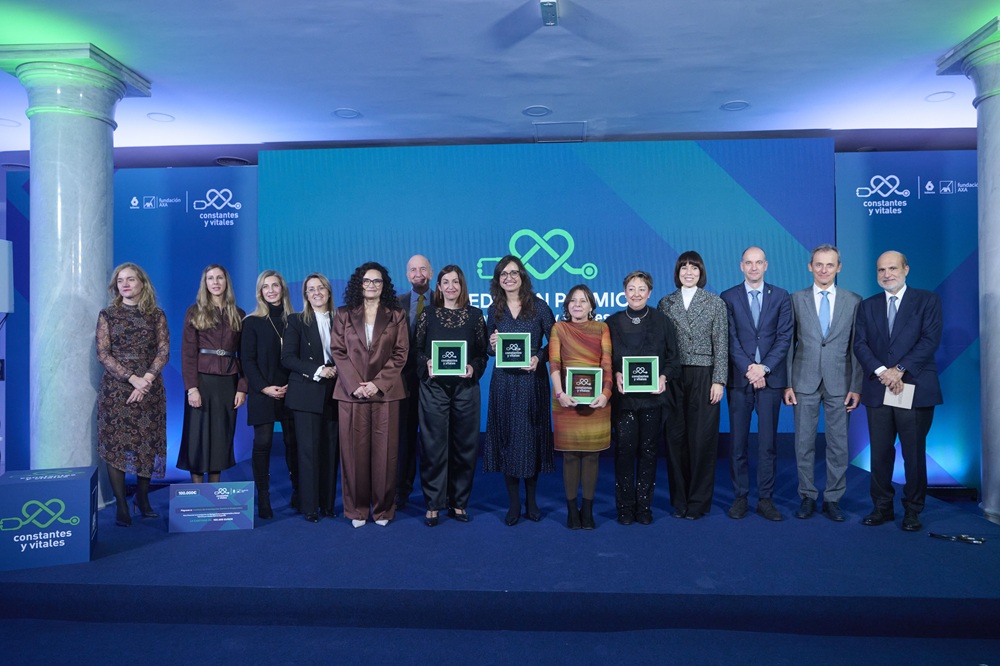
Photo of the awardees of the 11th edition of the Constantes y Vitales Awards, organised by laSexta and Fundación AXA. Source: Atresmedia
It has also promoted the massive installation of defibrillators, supported cancer-related initiatives such as ‘Todos contra el cáncer’ and ‘Pide un deseo’, and raised awareness of mental health and gender equality in science through campaigns like ‘Chicas, la ciencia nos necesita’ and ‘De esto hay que hablar’. Additionally, it has allocated 1,100,000 euros in direct funding to scientific projects through these annual awards for biomedical research and health prevention.
Source: Atresmedia (comunicacion@atresmediatv.es) / Institute for Neurosciences CSIC-UMH (in.comunicacion@umh.es)